Best Solar Post Lights for 2026 What to Consider?
As homeowners seek to elevate outdoor aesthetics while enhancing energy efficiency, solar post lights have gained immense popularity. According to a recent market research report, the solar lighting industry is projected to surpass $20 billion by 2026, reflecting a growing consumer demand for sustainable solutions. Solar post lights not only provide illumination but also reduce electricity costs, making them an appealing choice for many.
However, selecting the right solar post lights can be challenging. Various factors, such as lumens output, battery life, and aesthetics, must be considered. Some homeowners may overlook the importance of light placement and durability, leading to unsatisfactory results. It's vital to examine how well the lights perform in diverse weather conditions. Failure to address these issues can lead to wasted investments.
Investing in solar technology can significantly impact homeowners' energy use. Reports indicate that individuals can save up to 70% on their lighting costs. Yet, choosing low-quality solar post lights may yield disappointing returns. Therefore, thorough research is essential to avoid pitfalls and make informed decisions.
Factors to Evaluate When Choosing Solar Post Lights
When choosing the best solar post lights, several factors are crucial. Start with brightness. Look for lights that offer adjustable brightness levels. This feature allows you to customize your space's ambiance. The lumens rating is key here; higher lumens mean brighter lights.
Battery capacity is another essential factor. A solar post light’s effectiveness relies heavily on its battery. Larger batteries store more energy, ensuring longer illumination at night. However, the battery’s lifespan should also be considered. Look for lights that offer replaceable batteries for sustainability.
Tips: Pay attention to the materials. Some lights are made from durable stainless steel while others might use plastic. Choosing the right material can significantly affect the longevity of the light.
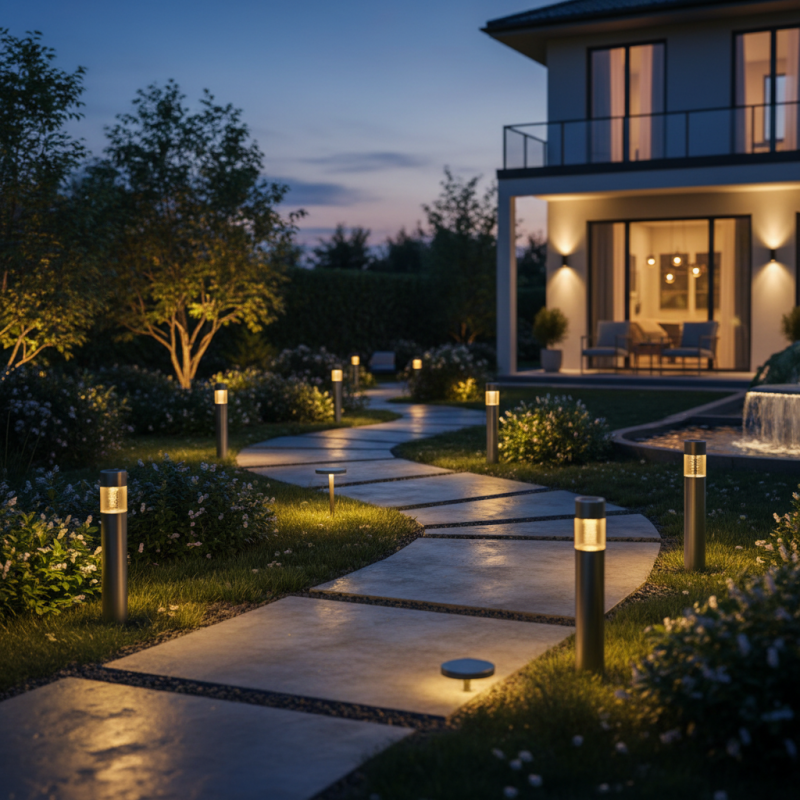
Lastly, consider the design and style. The aesthetic should fit your outdoor decor. However, be wary of overly ornate designs that may not withstand harsh weather. Simplicity can often lead to greater durability and long-term satisfaction.
Best Solar Post Lights for 2026: Key Features Evaluation
This chart displays the evaluation of different features of solar post lights that consumers consider when making a purchase decision. The metrics include Brightness (Lumens), Battery Life (Hours), Durability (Years), and Price ($).
Types of Solar Post Lights Available in 2026
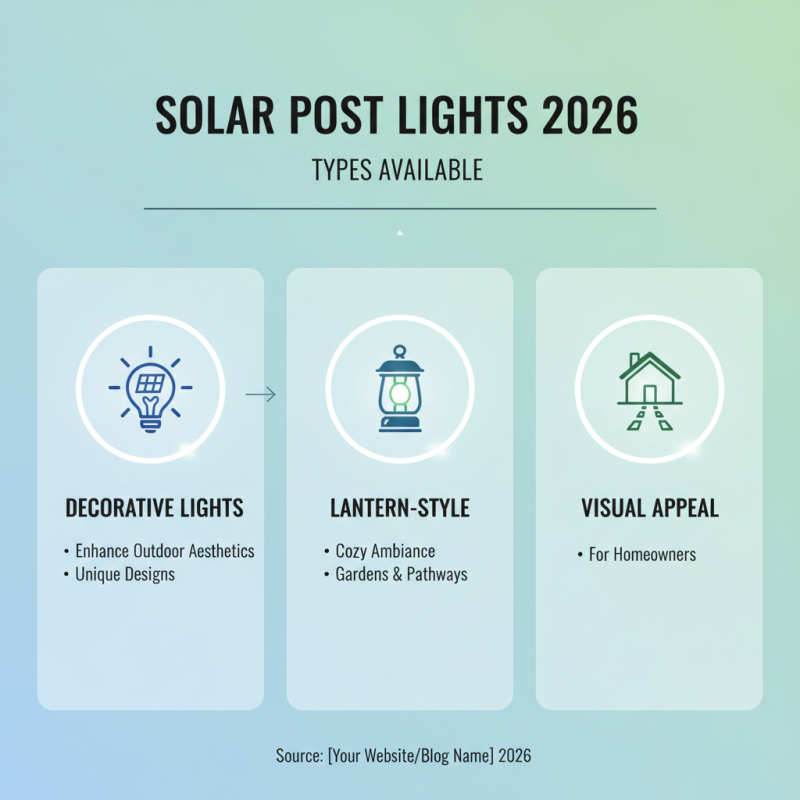
When choosing solar post lights for 2026, it’s crucial to understand the types available. One popular option is decorative lights. These often feature unique designs that enhance outdoor aesthetics. For instance, lantern-style designs create a cozy ambiance in gardens or along pathways. They are perfect for homeowners looking for visual appeal.
Another type is functional solar post lights. These are designed for practicality and often have brighter outputs. They illuminate larger areas, such as driveways or backyards. Some models include motion sensors to improve security. However, they may not offer the same decorative flair as their counterparts.
Consider choosing portable solar post lights too. These lights can be easily moved to different locations. They are handy for outdoor gatherings. However, their battery life may be shorter, requiring frequent recharging. Reflect on the balance between style and function. Each type has its pros and cons, so evaluate your needs before making a decision.
Key Features to Look For in Solar Post Lights
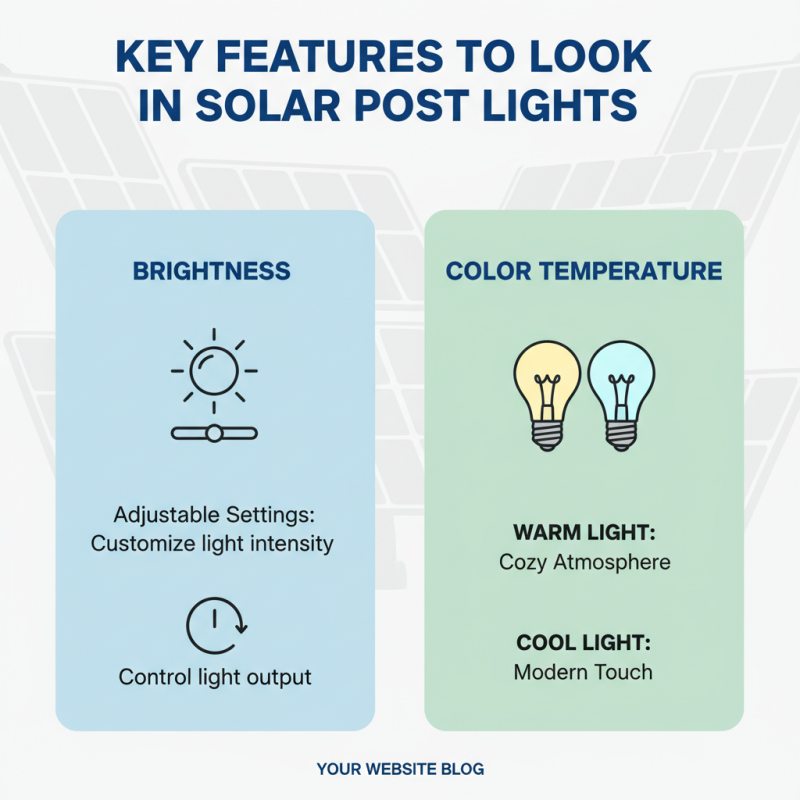
When choosing solar post lights, it's essential to focus on key features. Start with brightness. Look for lights that offer adjustable brightness settings. This allows you to customize the light output according to your needs. Also, consider the color temperature. Warm light creates a cozy atmosphere, while cool light offers a modern touch.
Battery capacity is another crucial factor. A larger capacity means longer-lasting performance. Ensure the solar lights can last through the night, even on cloudy days. Pay attention to the material as well. Durable materials resist weather elements. UV resistance extends the lifespan of your lights. A well-made light should survive the test of time.
Finally, installation should be straightforward. Some models require hard wiring, while others need minimal setup. User-friendly designs save time and frustration. Not all solar post lights perform equally well. Research and read reviews. Sometimes, what looks good may not deliver. Keep these details in mind to make an informed choice.
Environmental Impact and Sustainability of Solar Lighting
The environmental impact of solar lighting is significant. According to the International Energy Agency, solar lighting can reduce electricity consumption by up to 80%. This transition enhances energy efficiency while decreasing greenhouse gas emissions. For every kilowatt-hour of solar energy used, two pounds of carbon dioxide emissions can be avoided.
Solar post lights serve as a tangible example of sustainability. They harness sunlight, converting it into energy for illumination. This process requires no fossil fuels, helping to lower our carbon footprint. However, the materials used in production warrant scrutiny. Many solar lights contain plastic components that may not be recyclable.
Moreover, the disposal of these products poses challenges. Studies show that improper disposal can lead to environmental harm. Efforts to promote recycling and sustainable manufacturing are crucial. Solar lighting represents progress, but its entire lifecycle must be considered. Without mindful practices, the promise of renewable energy could falter.
Top Brands and Models of Solar Post Lights for 2026
When choosing solar post lights for 2026, several brands stand out. Many feature durable materials to withstand the elements. Consider the LED quality, as brightness varies. Some lights provide a warm glow, while others emit cooler tones. This choice affects the atmosphere around your home.
Affordability plays a crucial role, too. A multitude of options exist at different price points. Sometimes, the cheaper models lack durability, leading to early replacements. Reviews can offer insights, but personal experiences often reveal more.
Installation should be straightforward. Many newer models provide easy setup, with minimal tools needed. However, some still come with complex instructions, which can be frustrating. Additionally, take note of the battery life—some last longer than others. Investing time in research might save money later on.
Best Solar Post Lights for 2026 What to Consider?
| Model |
Brightness (Lumens) |
Battery Capacity (mAh) |
Material |
Price Range (USD) |
| Model A |
300 |
2200 |
Aluminum |
$50 - $70 |
| Model B |
450 |
3000 |
Plastic |
$60 - $90 |
| Model C |
250 |
1800 |
Stainless Steel |
$40 - $60 |
| Model D |
500 |
3500 |
Copper |
$80 - $110 |