Discover the Best Smart Solar Solutions for Your Needs?
In the ever-evolving landscape of renewable energy, smart solar solutions are leading the charge. Experts like Dr. Emily Carter, a renowned figure in solar technology, emphasize the transformative potential of these systems. She stated, "Smart solar technology not only reduces costs but enriches lives." Her insights highlight the growing importance of integrating technology with solar energy.
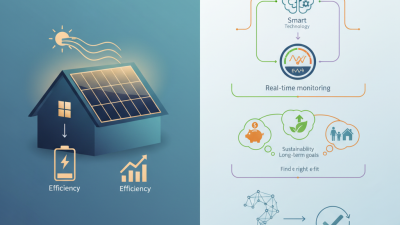
As we explore the best smart solar solutions, it's essential to understand their unique features. Smart solar systems offer real-time monitoring and energy management, making them more efficient than traditional setups. However, potential users may struggle with the upfront investment. It raises the question of affordability and long-term savings.
Moreover, smart solar technology varies widely in quality and application. Not every solution meets individual needs. Buyers should consider factors like system compatibility and scalability. While these systems promise significant benefits, careful selection is critical. The journey toward sustainable energy can be complex, but understanding smart solar options will empower consumers to make informed decisions.
Understanding Smart Solar Solutions: An Overview of Technologies
Smart solar solutions are rapidly transforming how we harness solar energy. Various technologies are available, allowing homeowners and businesses to choose systems that fit their specific requirements. According to a recent report by the International Energy Agency, solar energy generation has grown by over 20% annually since 2010. This growth demonstrates the increasing reliability and efficiency of solar technologies.
One of the key components of smart solar solutions is solar inverters. These devices convert sunlight into usable electricity. Modern inverters can maximize energy output by ensuring optimal performance under varying conditions. Additionally, battery storage technologies have advanced significantly. The global market for solar battery storage is projected to reach $15 billion by 2025. This growth emphasizes the importance of integrating smart technologies with solar systems.
Tips: When selecting a solar solution, evaluate your energy consumption patterns. Identifying peak usage times can help in designing an effective system. Also, consider consulting with experts. They can provide insights tailored to your specific area and energy needs.
Remember, not all solar technologies are suitable for every location. Environmental factors, such as shading and roof orientation, can affect energy generation. Assess these before making any investments. Keep an eye on evolving solar technologies, as innovation can lead to better efficiency and affordability over time.
Key Benefits of Smart Solar Solutions: Efficiency and Cost Savings
Smart solar solutions offer impressive efficiency and significant cost savings for homeowners. According to a report from the National Renewable Energy Laboratory, solar panels can convert up to 22% of sunlight into usable energy. This high efficiency translates directly into lower energy bills and a reduced carbon footprint.
With smart technology, users can optimize energy production. Smart inverters and monitoring systems allow for real-time tracking of energy usage. These tools can lead to reductions in energy costs of up to 30%, as they help identify and eliminate wasteful habits. The integration of battery storage further extends these savings. Homes equipped with energy storage can use self-generated solar energy even during power outages.
However, some challenges exist. Initial setup costs may be high, and not every home is suited for solar panels. Research shows that while many benefit from solar, efficiency may dip in cloudy regions. Homeowners must weigh these factors carefully. Ultimately, investing in smart solar solutions can prove worthwhile, but it requires thoughtful consideration and planning.
Comparative Analysis of Smart Solar Systems: Your Needs vs. Industry Standards
When evaluating smart solar systems, understanding your specific needs is crucial. Many systems boast efficiency, but do they fit your energy consumption? Home energy needs vary greatly. Some lifestyle choices demand more energy, like electric vehicles or home offices. The best systems adapt to these unique requirements.
Tips: Consider energy audits. Identify peak usage times. This can guide your solar investment decisions.
Industry standards often emphasize efficiency and durability. However, not all systems prioritize user experience. Some may have complex interfaces, while others focus on reliability. Balancing technology and usability is essential. Reflect on the features you genuinely need. Not everyone requires the latest gadgets.
Tips: Read user reviews. Seek firsthand experiences. This will help you get a feel for the system’s performance.
Ultimately, choosing a smart solar solution requires careful consideration. Examine both your needs and industry benchmarks. This approach will lead to informed decisions and a sustainable energy future.
Evaluating the Top Smart Solar Providers: Market Leaders and Reviews
The shift towards smart solar solutions has surged in recent years. A report from the International Energy Agency states that global solar power capacity reached 1,000 gigawatts in 2021. This growth is accompanied by an increasing demand for intelligent solar systems. These solutions optimize energy collection and consumption, improving efficiency.
Leading providers in the smart solar market have adopted cutting-edge technologies. Smart inverters, for instance, enhance energy management by allowing better integration of renewable sources into the grid. According to a study by Wood Mackenzie, smart solar systems can boost energy savings by 30%. However, not all systems are created equal. Many users report issues with software and system compatibility. These challenges highlight the importance of thorough research before selecting a solution.
Consumer feedback offers valuable insights into the performance of different providers. Many reviews emphasize the importance of customer service and installation quality. A 2020 survey by Solar Power World indicated that 40% of customers experienced installation challenges. Such issues can undermine the benefits of smart solar technology. Potential buyers should weigh these factors carefully when evaluating options.
Discover the Best Smart Solar Solutions for Your Needs
| Provider Type |
Technology Type |
Average Efficiency (%) |
Warranty (Years) |
User Rating (out of 5) |
Price Range (USD) |
| Residential |
Monocrystalline |
20.5 |
25 |
4.8 |
$15,000 - $25,000 |
| Commercial |
Polycrystalline |
18.5 |
20 |
4.5 |
$50,000 - $100,000 |
| Off-grid |
Thin Film |
15.0 |
10 |
4.2 |
$5,000 - $15,000 |
| Utility Scale |
Bifacial |
22.0 |
30 |
4.7 |
$500,000 - $1,000,000 |
| Portable |
Solar Panels |
17.5 |
2 |
4.0 |
$200 - $800 |
Future Trends in Smart Solar Technology: Innovations to Watch for
The landscape of solar technology is shifting rapidly. Innovations are emerging at a pace that can be hard to keep up with. Energy storage solutions are now smarter, with integrated AI that predicts energy needs. These systems can optimize energy flow in real time. They make your solar setup more efficient and user-friendly.
Smart panels are also gaining ground. These panels can communicate with home devices, adjusting energy use based on real-time data. This means less waste and more savings. However, there are challenges. Not all homes may benefit equally from these advancements. Some may find installation complicated and costly.
Another area to watch is smart inverters. These devices convert solar energy to usable power. They are becoming more advanced, offering features like remote monitoring. While this improves management, customers may feel overwhelmed by complexity. As technology continues to evolve, understanding these systems is vital. Each innovation brings potential, but it also requires careful consideration.