
What Is the Best Electric Tricycle for Buyers in 2026?
Choosing the best Electric Tricycle in 2026 requires more than comparing motor wattage or advertised range. Buyers need evidence from daily use, technical testing, and dependable industry research. The International Energy Agency’s Global EV Outlook 2024 reported strong electric three-wheeler adoption in major Asian markets, especially India, where electric models represented more than half of new three-wheeler sales in 2023. That trend matters. It shows growing acceptance, but it does not make every model equally suitable.
A reliable buying guide should connect market data with practical details. Can the tricycle carry groceries, tools, or a passenger on a steep road? Does its battery retain useful capacity after repeated charging? Is the frame stable when turning beside a parked car? These questions are more valuable than a glossy range claim. Reports from the U.S. Department of Energy and the European Environment Agency also underline the importance of energy efficiency, battery performance, and lifecycle impacts when comparing electric transport options. Their findings support a careful evaluation rather than a simple “best” ranking.
Real ownership can be less tidy. A model with excellent range may have weak dealer support. A cheaper battery can increase long-term costs. I may also favor repairability too heavily, while some buyers prioritize comfort or folding storage. Therefore, this 2026 comparison will examine motor output, usable range, payload, braking, battery warranty, charging time, safety equipment, and after-sales service. It will focus on verified specifications and realistic riding conditions. The goal is practical confidence, not exaggerated certainty.
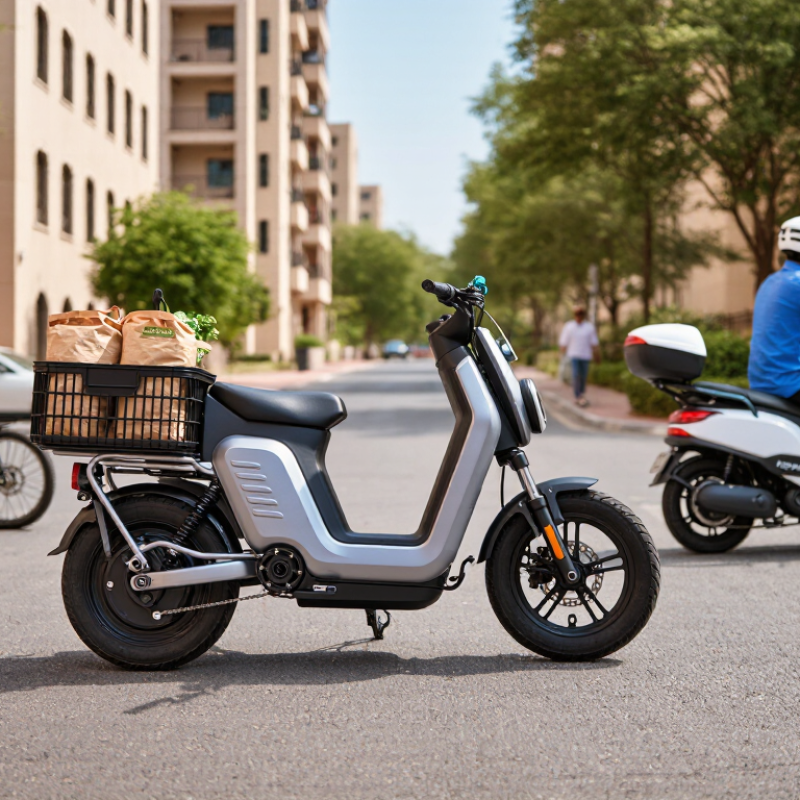
What Defines the Best Electric Tricycle for Buyers in 2026?
The best electric tricycle for buyers in 2026 is not necessarily the fastest model. It should feel stable, predictable, and useful during ordinary daily riding. A wide rear axle and low center of gravity can reduce nervous movement on turns. Smooth acceleration matters more than impressive peak speed.
Battery range should match real habits, not optimistic advertisements. Hills, cargo, cold weather, and frequent stops all consume extra power. A removable battery helps apartment users and makes charging more practical. Strong hydraulic or mechanical brakes are essential when carrying groceries or a child. The frame should also offer easy step-through access, adjustable handlebars, and a comfortable saddle.
Payload capacity deserves close attention. A tricycle that feels strong while empty may handle poorly with a full basket. Test it with weight if possible. Check whether the front wheel lifts during sharp starts. That small detail reveals poor balance. Lighting, reflective surfaces, fenders, and a useful parking brake add everyday confidence.
Motor power is only one part of the decision. Reliable wiring, protected connectors, available replacement parts, and clear maintenance instructions matter just as much. My first impression can be wrong. A quiet motor may still struggle on steep streets, while a heavier frame may feel safer but harder to store. Buyers should ride slowly, brake on a gentle slope, and listen for rattles before choosing.
What Is the Best Electric Tricycle for Buyers in 2026? - What Defines the Best Electric Tricycle for Buyers in 2026?
| Evaluation Dimension | Recommended Benchmark for 2026 Buyers | Why It Matters | What to Check Before Buying |
|---|---|---|---|
| Motor Output | 500–750 W nominal motor rating; higher output may be useful for hills and heavier loads. | Determines assistance when starting, climbing inclines, and carrying cargo. | Confirm whether the stated wattage is nominal or peak output and check local power limits. |
| Battery Capacity | Approximately 500–800 Wh, preferably with a removable battery. | A larger battery generally supports longer rides and reduces charging frequency. | Check battery chemistry, replacement availability, charging time, and storage requirements. |
| Realistic Riding Range | About 25–50 miles per charge under moderate conditions. | Range affects whether the tricycle can handle commuting, errands, and recreational trips. | Treat advertised maximum range as an estimate; rider weight, terrain, speed, temperature, and cargo can reduce it. |
| Payload Capacity | At least 300–400 lb, including the rider, cargo, and accessories. | Adequate payload improves stability and prevents overloading during everyday use. | Confirm the combined weight limit and whether the cargo rack or basket has a separate limit. |
| Frame and Step-Through Design | Low step-over height, reinforced frame, adjustable seat, and upright riding position. | Improves accessibility, comfort, mounting, and control for a wider range of riders. | Measure frame dimensions, rider height range, turning clearance, and storage space. |
| Wheel and Tire Size | 20-inch wheels are a practical balance of stability, maneuverability, and compact storage. | Wheel size influences ride comfort, handling, and the ability to absorb uneven pavement. | Look for puncture-resistant tires, suitable tread, quality tubes, and readily available replacement sizes. |
| Braking System | Hydraulic disc brakes or well-adjusted mechanical disc brakes on the main wheels. | Reliable braking is essential because electric tricycles can be heavier than conventional bicycles. | Check stopping performance, parking brake function, lever reach, and replacement-pad availability. |
| Stability and Turning | A wide rear track, low center of gravity, and controlled turning geometry. | A stable design helps reduce tipping risk, especially when carrying cargo or turning on slopes. | Test slow turns, tight corners, hill starts, and weight distribution before regular use. |
| Assistance and Controls | Multiple pedal-assist levels, a predictable throttle, walk-assist mode, and a clear display. | Simple controls make speed management easier in traffic, on hills, and during low-speed maneuvering. | Check response smoothness, display readability, error alerts, and whether controls work with gloves. |
| Lighting and Visibility | Integrated front and rear lights, reflectors, a horn or bell, and reflective side elements. | Visibility improves awareness for the rider and other road users in low-light conditions. | Verify that lights are powered by the main battery and remain visible from multiple angles. |
| Charging Practicality | A standard household charger with a typical charging time of approximately 4–8 hours. | Convenient charging supports daily use without requiring specialized electrical equipment. | Check charger weight, cable length, ventilation requirements, and whether the battery can be charged indoors. |
| Cargo and Passenger Utility | A secure rear basket or cargo platform with tie-down points and weather-resistant materials. | Useful cargo features make the tricycle practical for groceries, deliveries, and daily errands. | Confirm cargo dimensions, attachment strength, waterproofing, and whether passenger transport is legally permitted. |
| Serviceability | Standard bicycle components, accessible wiring, replaceable brake parts, and clear maintenance instructions. | Repairable components can reduce downtime and long-term ownership costs. | Check local repair support, spare-part availability, assembly requirements, and diagnostic procedures. |
| Safety and Compliance | Safety-certified electrical components, functional reflectors, dependable wiring, and compliance with local e-bike rules. | Compliance and tested electrical systems help reduce legal, fire, and operational risks. | Review local speed, motor-power, helmet, road-use, and registration requirements before purchase. |
| Overall Buyer Fit | The best choice balances range, stability, payload, comfort, safety, serviceability, and total cost. | No single specification makes a tricycle best for every rider or use case. | Prioritize the features that match the rider’s terrain, mobility needs, storage space, budget, and daily distance. |
Note: Performance figures are practical buyer benchmarks rather than guarantees. Actual range, speed, payload performance, and legal requirements vary by rider, terrain, weather, configuration, and location.