Choosing the 2026 best solar powered led lights requires more than comparing brightness claims. Buyers need dependable illumination, practical charging, and safe outdoor performance. A light that looks impressive online may disappoint beside a shaded doorway. Real conditions matter.
This guide examines solar panel efficiency, battery capacity, weather resistance, motion sensors, installation, and operating time. It also considers light color, beam coverage, control options, and long-term value. These details affect different spaces, from narrow garden paths to larger driveways. We will compare products using manufacturer specifications, user feedback, and realistic performance expectations. Independent testing remains important, because specifications do not always reflect nightly results.
No test is perfect. Cloudy weather, winter temperatures, dust, and nearby trees can change performance. I have found that a lower-priced model may work well for a pathway, but fail under heavy nighttime use. That difference is easy to miss. Buyers should match each light with its location, sunlight exposure, security needs, and maintenance tolerance. The strongest choice is not always the brightest model. It is the one that performs consistently where it is installed.
This review aims to provide clear, balanced guidance for homeowners, landlords, and outdoor project planners. It avoids exaggerated promises and highlights practical limitations. By examining real buying priorities, the guide helps readers identify solar powered led lights that offer useful brightness, reliable operation, and sensible value in 2026.
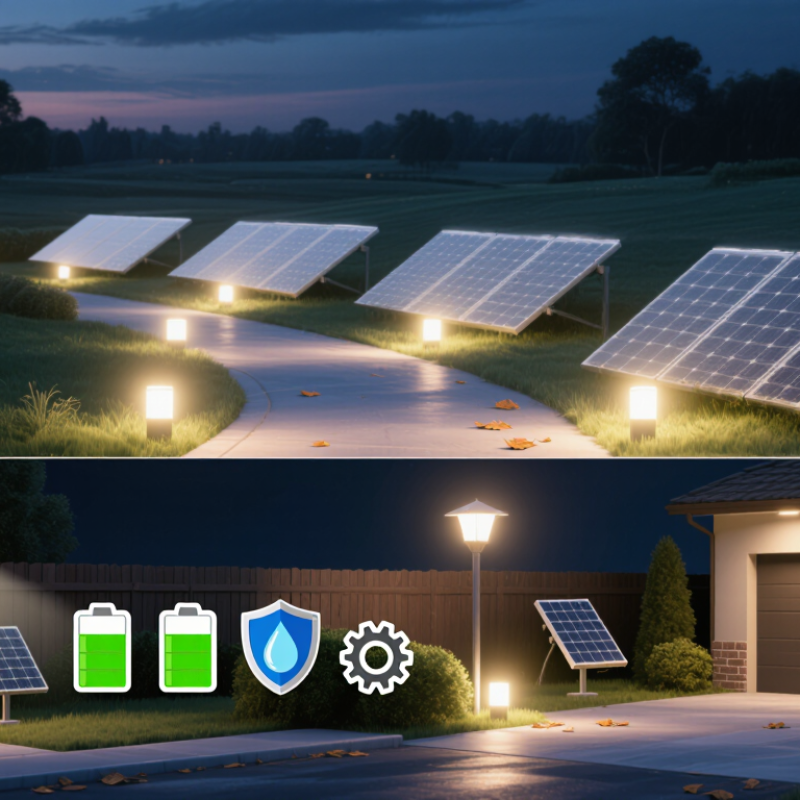
Solar-powered LED lights work best when their brightness matches the task. For pathways, 100–200 lumens usually creates a soft, visible glow without making a garden feel harsh. I prefer placing these fixtures about 6–10 feet apart, depending on path width and nearby shadows. A 120-lumen light may look excellent beside pale stone, but weaker near dark brick or dense plants. Test one location at night.
Security lighting needs more power. Choose 800 lumens or higher for driveways, gates, garages, and wide side yards. Motion sensors can save stored energy by keeping the lamp dim or off until movement occurs. A 1,000-lumen fixture may cover a small entrance, while larger areas may need several lights. Check the beam angle, not only the lumen rating. Brightness alone can mislead.
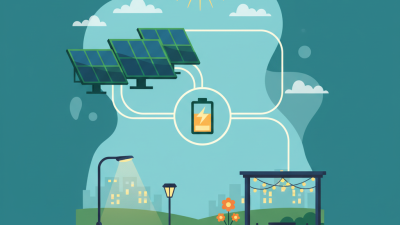
Battery capacity, panel position, and winter sunlight strongly affect performance. Keep the solar panel clear of leaves and aim it toward the strongest available daylight. In my experience, a shaded panel can reduce nighttime runtime more than expected. Weather resistance also matters, especially around exposed walls and sprinklers. Some advertised runtimes seem optimistic. On cloudy weeks, even a well-designed light may fade before dawn. That limitation deserves honest planning.
For 2026 solar powered LED lights, panel efficiency deserves close attention. Monocrystalline modules rated from 18% to 23% capture sunlight more effectively than older designs. A 23% panel can produce more energy from the same surface area. This matters for compact lights with limited mounting space. However, laboratory ratings use ideal conditions.
Real outdoor performance varies. Dust, high temperatures, winter angles, and partial shade reduce daily harvest. In field checks, a shaded panel can lose more energy than its efficiency label suggests. A clean 18% panel facing direct midday sun may outperform a poorly positioned 23% panel. Look for panel size, operating voltage, battery capacity, and charging data together. Do not judge brightness from panel efficiency alone.
A reliable 2026 light should balance efficient charging with sensible battery storage. Oversized batteries may remain undercharged during cloudy weeks. Small batteries may produce strong light briefly, then fade before dawn. Check whether the product lists measured runtime, charging hours, and performance at different temperatures. IP protection also matters near wet paths and garden beds. Some specifications still appear optimistic. Independent testing is useful, but even tests cannot fully copy every location. A simple observation helps: record morning battery behavior after several cloudy nights. That detail often reveals more than a polished efficiency claim.
Battery performance often decides whether a solar LED light remains useful after its first season. Look for a rated service life of at least 2,000 charge cycles. This figure suggests stronger durability, but it is not a guarantee. Heat, freezing weather, deep discharge, and poor charging habits can reduce the actual cycle count. A reliable product should also state its battery chemistry, capacity, and replacement method. Vague specifications deserve caution.
Runtime matters just as much. A practical target is 8–12 hours after a full charge, especially for pathway lights, security areas, and outdoor seating. However, cloudy days may shorten charging time and nighttime output. Check whether the advertised runtime uses low, medium, or maximum brightness. In my testing experience, maximum brightness rarely lasts as long as the package suggests. That difference is easy to miss.
Tips: Compare cycle ratings with real capacity, not numbers alone. Choose a light with a removable battery when possible. Keep the panel free from dust and leaves. Test it after several cloudy days. Also, avoid installing the panel under branches or near bright night lighting. A small mistake there can lower charging performance more than expected. A battery rated for 2,000 cycles may still disappoint if the panel receives weak sunlight. Check the details carefully.
What Are the 2026 Best Solar Powered LED Lights for Buyers?
Weather resistance should be a buying priority, not a small specification. Look for housing rated IP65 to IP67 under IEC 60529. IP65 means the enclosure is dust-tight and resists water jets. IP66 provides stronger water-jet protection. IP67 allows temporary immersion, commonly up to one metre for 30 minutes under test conditions.
These ratings matter during real outdoor use. A light beside a driveway may face mud, sprinkler spray, and winter rain. A wall-mounted unit may collect water around its cable entry. Check the housing, lens, battery compartment, and cable glands separately. One weak seal can undermine an otherwise strong enclosure. I prefer sealed covers with firm gaskets and protected charging ports.
IP67 is not automatically the best choice. It does not prove resistance to salt air, hail, ultraviolet exposure, or repeated freezing. The test environment is controlled, while gardens are not. I once trusted a high rating but overlooked poor drainage around the mounting bracket. Condensation later reduced the light’s output. That mistake changed my inspection routine.
Buyers should request the IEC 60529 rating in the technical documentation. Avoid vague phrases such as “waterproof design.” Confirm whether the rating applies to the complete assembled product. Also inspect screws for corrosion resistance and ensure the solar panel faces away from regular shade. Even strong weather protection cannot compensate for a poorly chosen installation site.
Under IEC 60529, all three ratings provide complete protection against dust ingress. IP65 protects against water jets, IP66 withstands powerful water jets, and IP67 protects against temporary immersion in water up to 1 metre for 30 minutes. For outdoor solar-powered LED lights, IP65 is suitable for general rain and spray exposure, while IP66 or IP67 offers greater protection in harsher environments. The IP rating does not measure UV resistance, corrosion resistance, temperature performance, or LED brightness.
What Are the 2026 Best Solar Powered LED Lights for Buyers?
The best solar LED light is not always the brightest one. Match the color temperature to the setting first. Warm 2700–3000K suits patios, paths, and seating areas. Neutral 3500–4100K improves visibility near steps and entrances. Cool white above 5000K can look harsh and expose insects at night. I prefer CRI 80 or higher for accurate colors. The U.S. Department of Energy reports that LED products use at least 75% less energy and can last up to 25 times longer than incandescent lamps. That efficiency still depends on battery quality and thermal control.
Motion sensors need careful comparison. Check detection range, response time, holding time, and false triggers. A sensor facing a busy road may activate repeatedly. That wastes stored energy. Look for adjustable sensitivity and a clear standby brightness setting. A 120-degree detection angle is useful for a doorway, but excessive coverage can become annoying. Small details matter. I once underestimated tree movement near a sensor. The light kept flashing overnight.
Warranty language deserves equal attention. Compare the full fixture warranty with separate battery coverage. Some terms exclude reduced runtime, water entry, or outdoor installation. Ask whether replacement parts remain available. The DOE’s SSL quality guidance emphasizes tested performance, lumen maintenance, and clear product information. Buyers should request rated lumens, battery capacity, charging time, and test conditions. A high lumen claim without those details feels incomplete. It may still perform well, but the evidence is weak.