Top 10 Benefits of Using LED Solar Street Lights?
The use of LED solar street lights is rapidly gaining popularity around the globe. According to a report by the International Energy Agency, the installation of solar street lighting has increased by over 50% in the last five years. This shift is driven by the need for sustainable and cost-effective solutions in urban planning.
LED solar street lights offer numerous advantages, including reduced energy costs and minimal maintenance. They operate on renewable energy sources, which is essential as cities strive for lower carbon footprints. The potential for energy savings is substantial; cities can reduce their lighting costs by up to 80% with these systems. However, the initial installation costs can be a barrier.
Despite their many benefits, not all installations are perfect. Some municipalities have faced challenges with lighting efficiency and battery lifespan. Choosing the right technology is vital. The future of urban lighting could greatly benefit from innovations in LED solar street light technology, reflecting both efficiency and sustainability.

The Sustainability of LED Solar Street Lights Compared to Traditional Lighting
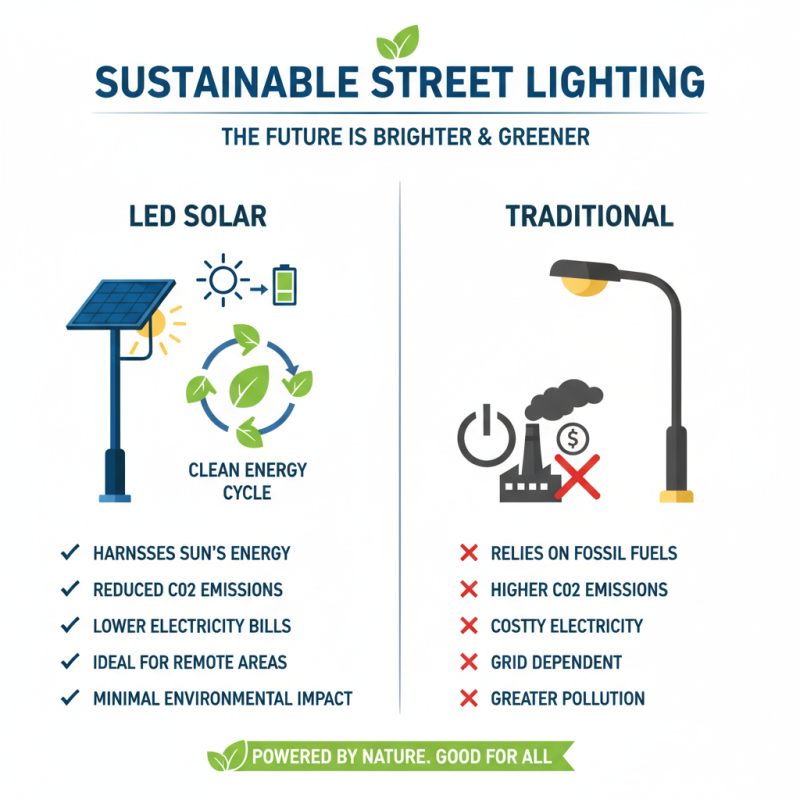
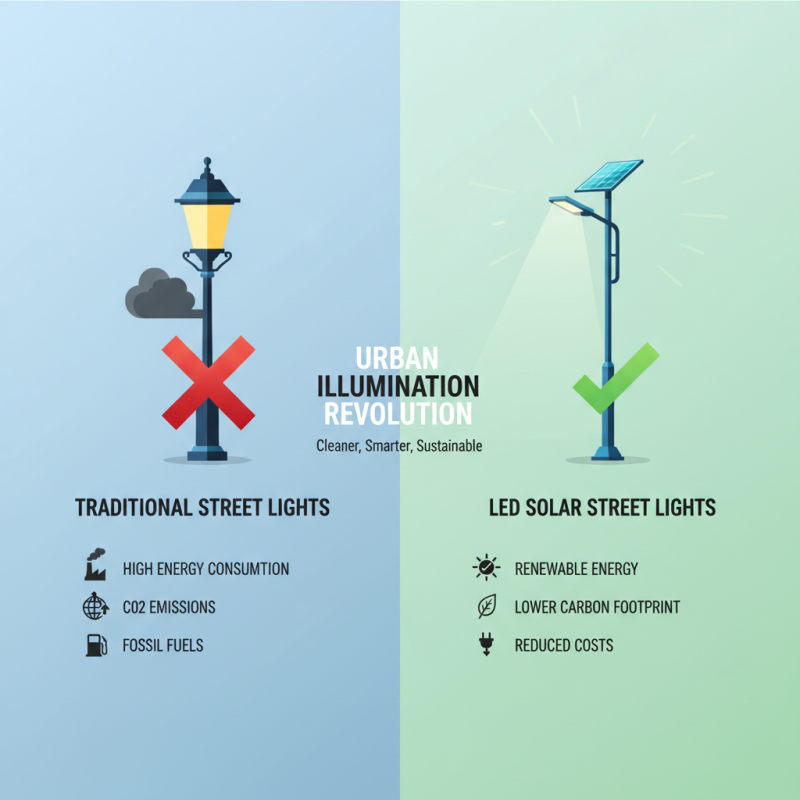
LED solar street lights provide a significant sustainability advantage over traditional lighting systems. These lights harness energy directly from the sun, reducing dependence on non-renewable energy sources. By generating power through solar panels, they can operate efficiently even in remote areas. This means less environmental impact and lower electricity bills for communities.
When considering installation, keep these tips in mind: Choose locations with ample sunlight. This ensures maximum efficiency for the solar panels. Also, consider local weather patterns. Areas with long winters may require additional energy solutions. Monitor the lights regularly for optimal performance.
Another aspect to reflect on is the upfront cost. While LED solar street lights may have higher initial expenses, the long-term savings on energy and maintenance can be considerable. Ensure that costs align with community budgets. By investing wisely, towns can enhance safety while promoting sustainability. Overall, reconsidering lighting choices can lead to broader environmental benefits.
Cost-Effectiveness of LED Solar Street Lights in Urban Areas
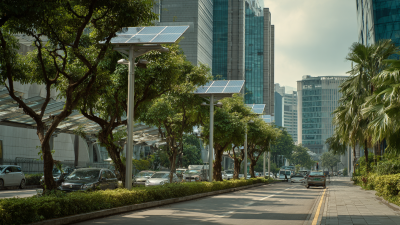
The cost-effectiveness of LED solar street lights is evident in urban areas.
These lights utilize solar panels, which harness sunlight. This feature eliminates the need for expensive electricity sources. Over time, the savings on energy bills add up. Cities can allocate these funds to other essential services.
Additionally, maintenance costs are lower. LED lights have a longer lifespan than traditional options. This durability means fewer replacements and repairs. However, not all areas benefit equally. Some regions may experience inconsistent sunlight, leading to potential performance issues. Planning is crucial for maximizing efficiency.
Moreover, the initial investment might seem high. Some municipalities hesitate to make this leap. Yet, the long-term financial returns often outweigh upfront costs. Communities must weigh their options carefully. These lights can enhance public safety while saving money. It’s a balance between immediate expenditures and future savings.
Enhanced Brightness and Visibility Provided by LED Technology
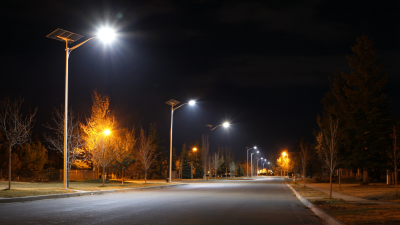
LED solar street lights have transformed urban landscapes, enhancing both safety and aesthetics. With LED technology, these lights emit brighter illumination compared to traditional options. The light spreads evenly, reducing dark spots. This feature is essential for pedestrian pathways and busy intersections.
Moreover, enhanced brightness means better visibility for drivers and cyclists. Bright lights can help reduce accidents, especially in poorly lit areas. When people feel safer due to improved lighting, they tend to use public spaces more often. This increased usage fosters community engagement, but it also raises challenges. More activity can lead to noise and other disturbances.
There is a downside to consider. The sharp brightness from LEDs can cause glare for some. This discomfort can distract drivers and pose risks. Finding a balance in brightness levels is crucial. Lights should illuminate effectively without overwhelming passersby. Continuous feedback from the community can guide improvements. The evolution of LED solar street lights will benefit from such reflections.
Environmental Impact: Reducing Carbon Footprint with Solar Solutions
LED solar street lights are changing the way we illuminate our streets. They harness energy from the sun and convert it into electricity. This process significantly reduces reliance on fossil fuels, leading to a lower carbon footprint. Traditional street lights consume a lot of energy, contributing to greenhouse gas emissions. Solar solutions present a cleaner alternative.
Switching to solar street lights can make a real difference. Imagine less pollution and clearer skies. Communities can enjoy well-lit streets without harmful emissions. However, there are challenges. Initial costs may deter some areas from making the switch. Maintenance can also be tricky, especially in regions with less sunlight.
The transition to solar lighting should involve careful planning. Investing in solar street lights might be slow in some regions. Yet, the long-term benefits can be great. Cleaner streets lead to healthier environments. As we rethink urban infrastructure, considering solar solutions could bring significant improvements. Each step toward sustainability is a step forward.
Maintenance and Longevity Advantages of LED Solar Street Lights
LED solar street lights offer notable maintenance and longevity benefits. These lights operate on renewable solar energy, minimizing the need for complex electrical systems. This simplicity reduces the risk of electrical failures, which can be costly and time-consuming to repair. They require less frequent maintenance compared to traditional street lights. Occasional cleaning of the solar panels can suffice in many cases.
Another advantage is the lifespan of LED components. They can last up to 25,000 hours or more. This longevity translates to fewer replacements over time. However, sometimes the batteries may need early replacements, especially in areas with poor sunlight exposure. Regular inspections can help identify issues before they become significant. While these lights are durable, they are not entirely maintenance-free. A proactive approach ensures their efficiency and performance.
Weather conditions can impact their performance, particularly in extreme climates. Dust, snow, or heavy rain may reduce the light output. Therefore, a clear understanding of the local environment is crucial. Even with these challenges, many cities have found the benefits of using LED solar street lights to outweigh their maintenance needs. These lights can enhance visibility while saving energy.
Top 10 Benefits of Using LED Solar Street Lights
| Benefit |
Description |
Longevity (Years) |
Maintenance Frequency (Years) |
| Energy Efficiency |
LEDs consume less power compared to traditional lighting. |
15 |
5 |
| Environmentally Friendly |
Solar energy reduces carbon footprint. |
20 |
3 |
| Low Operating Costs |
No electricity costs as they run on solar power. |
15 |
7 |
| Flexible Installation |
Can be installed in remote areas without needing grid connection. |
20 |
5 |
| Safety Improvements |
Better illumination leads to enhanced safety at night. |
15 |
5 |
| Durability |
LEDs are resistant to shock and temperature extremes. |
15 |
6 |
| Automatic Operation |
Automatically turns on/off based on sunlight. |
20 |
Not Applicable |
| Aesthetic Appeal |
Modern designs enhance the visual aspect of the area. |
20 |
5 |
| Resilience to Weather |
Designed to operate in various weather conditions. |
15 |
4 |
| Long Lifecycle |
LEDs generally last longer than traditional lighting sources. |
25 |
Never Required |