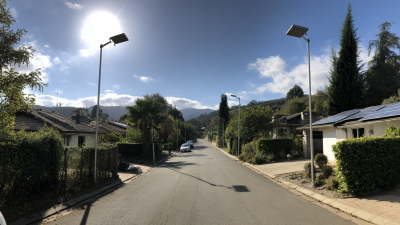
Top Benefits of Solar Powered Street Lights for Sustainable Urban Lighting?
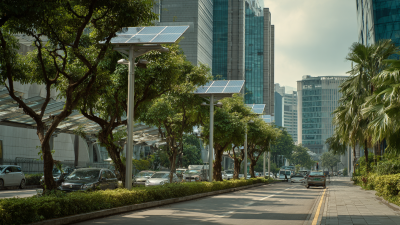
Urban areas face constant challenges in lighting solutions. Roads need illumination that is both effective and environmentally friendly. This is where solar powered street lights come in. These lights harness solar energy, reducing reliance on traditional electricity sources.
Solar powered street lights provide numerous benefits. They can significantly lower energy costs. Moreover, they contribute to a cleaner environment. Cities using these lights can showcase their commitment to sustainability. However, it is important to address potential drawbacks. Installation costs can be high, presenting barriers for some municipalities. Nighttime performance can vary based on weather conditions.
Despite these challenges, solar powered street lights offer exciting possibilities for urban lighting. Communities can enhance safety while being kind to the planet. They align with goals of modern city planning. As cities evolve, exploring such solutions is vital. Balancing efficiency with sustainability remains an ongoing journey.

Advantages of Solar Powered Street Lights for Urban Areas
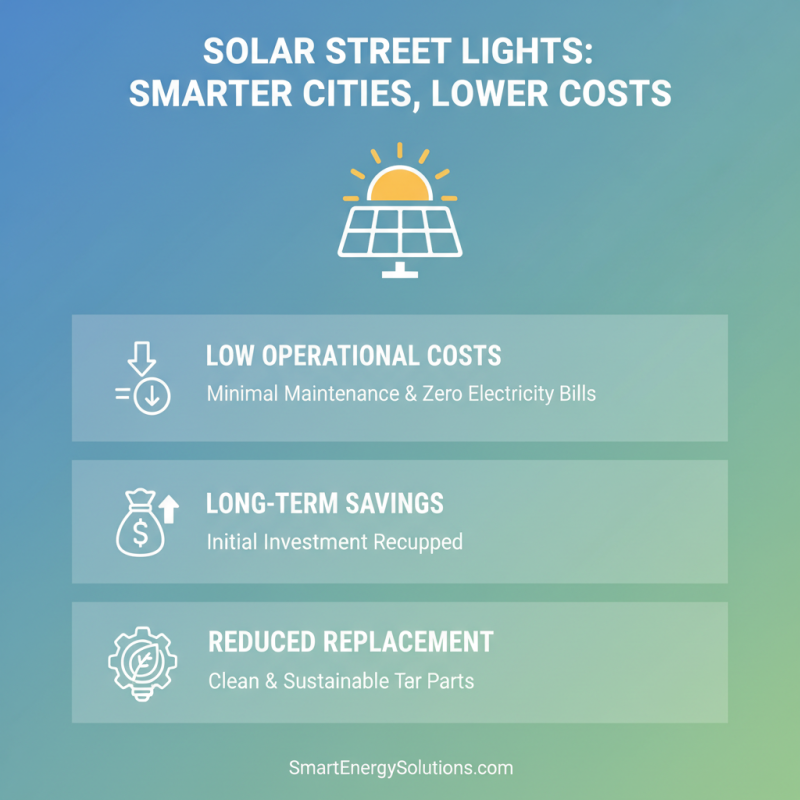
Solar powered street lights offer significant advantages for urban areas. They operate independently of the grid, reducing electricity costs. With solar panels absorbing sunlight during the day, they store energy for nighttime use. This leads to lower utility expenses, which is vital for city budgets.
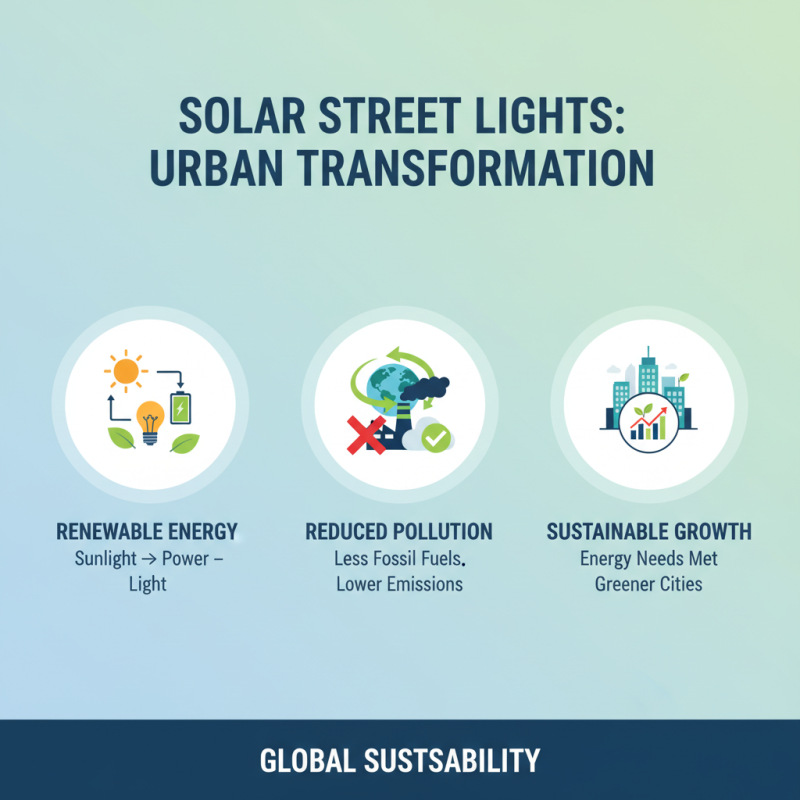
Moreover, they enhance sustainability. These lights produce clean energy, decreasing carbon footprints. Urban pollution can be overwhelming. Using solar street lights contributes to a healthier environment. They reduce reliance on fossil fuels, which is essential for long-term urban planning.
However, challenges exist. Not all areas receive consistent sunlight. In regions with long winters, performance may fluctuate. Additionally, initial installation costs can deter some municipalities. It's essential to weigh these factors against the benefits. Cities should evaluate their specific needs before committing to widespread solar solutions.
How Solar Street Lights Contribute to Environmental Sustainability
Solar street lights are transforming urban landscapes. They rely on renewable energy, reducing dependence on fossil fuels. This shift decreases greenhouse gas emissions. Thus, cities contribute positively to global sustainability goals. Solar panels capture sunlight during the day. This energy powers street lights at night. As cities grow, this technology can help manage increasing energy needs without additional environmental costs.
Environmental sustainability also comes from reduced maintenance. Traditional street lights require constant upkeep. Solar lights have fewer moving parts, leading to less waste. They last longer, which is a direct benefit. Fewer replacements mean fewer resources consumed. Additionally, solar street lights promote biodiversity. By minimizing light pollution, they help local wildlife thrive. However, some areas face challenges. Not every location receives ample sunlight. This could limit the effectiveness of solar street lights.
Another aspect to consider is public perception. Some communities may hesitate to adopt new technology. Education is crucial for overcoming these barriers. It’s important to acknowledge varying perspectives on sustainability. While solar street lights have clear benefits, adapting to change is challenging. Engaging with community concerns can enhance acceptance. Through this collaborative approach, cities can foster a better understanding of environmental initiatives.
Improving Safety and Visibility in Urban Settings with Solar Lights
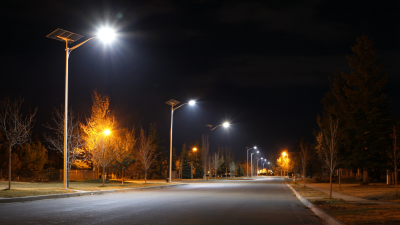
Solar powered street lights are transforming urban environments. These lights enhance visibility in dark areas. Studies indicate that proper illumination can reduce crime rates significantly. A report from the National Institute of Justice states that improved lighting decreases nighttime crime by up to 20%.
Increasing safety in urban settings is crucial. Many cities struggle with poorly lit streets and alleyways. Solar lights provide an efficient solution. They harness solar energy during the day. This feature eliminates high electricity costs. More cities are looking into this option. According to a recent survey, 75% of urban planners favor solar lighting for its low environmental impact.
However, challenges exist. Some areas still lack adequate solar exposure. Shadows from buildings can hinder light generation. Furthermore, maintaining these systems requires careful planning. Not all models are equally reliable. Investing in solar technology means weighing initial costs against long-term benefits. Urban areas must address these issues to truly maximize solar lighting advantages.
Technological Innovations in Solar Powered Street Lighting Systems
Solar powered street lights are transforming urban lighting systems. They rely on innovative technologies that harness solar energy for illumination. These systems use photovoltaic panels to convert sunlight into electricity. The energy storage is typically managed by efficient batteries that provide power at night. This approach drastically reduces dependence on traditional energy sources.
One remarkable technological innovation is smart lighting controls. These systems adjust brightness based on real-time usage and environmental factors. For instance, lights can dim in low traffic areas, saving energy. This functionality not only conserves power but also prolongs the lifespan of the lighting units. Effective management often requires initial adjustments, but these can lead to significant savings over time.
Tip: Regular maintenance of solar panels can enhance efficiency. Dust and debris may reduce energy absorption. Another tip: consider integrating motion sensors to optimize power usage. Observing patterns allows for more efficient light distribution. Lastly, think about community input when planning installations. Understanding local needs can lead to more effective lighting solutions.
Top Benefits of Solar Powered Street Lights for Sustainable Urban Lighting
The chart below illustrates the various benefits of solar-powered street lights compared to traditional street lighting systems. These benefits are essential for supporting sustainable urban development and reducing energy consumption.