What are the Benefits of Solar Post Lights for Outdoor Use?
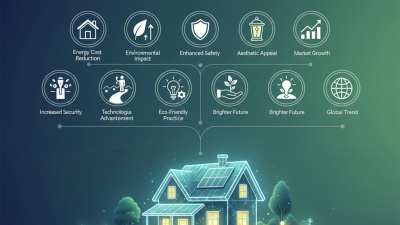
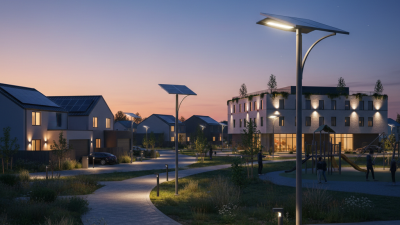
In recent years, solar post lights have gained popularity for outdoor use. These innovative lighting solutions harness solar energy, making them an eco-friendly choice. They illuminate pathways, gardens, and patios while enhancing outdoor aesthetics.
Solar post lights are highly versatile. They come in various designs, catering to different tastes and landscaping styles. Additionally, their ease of installation appeals to homeowners looking for practical solutions. However, potential buyers should consider their specific needs, as not all models perform equally in varying weather conditions.
Countless users report satisfaction with solar post lights. However, it's essential to reflect on individual experiences. Factors such as battery life and sunlight exposure can affect performance. Understanding these nuances helps consumers make informed decisions. Overall, solar post lights present a sustainable and stylish option for anyone looking to brighten their outdoor spaces.
Benefits of Solar Post Lights for Outdoor Spaces
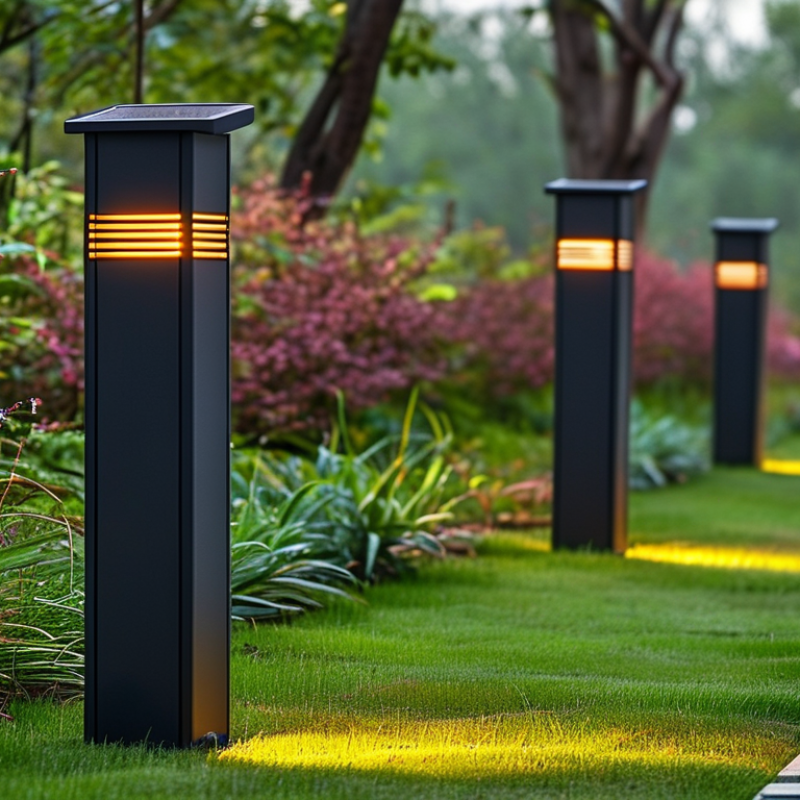
Solar post lights offer numerous advantages for outdoor spaces. They enhance safety and visibility during the night. When pathways or garden areas are well-lit, people can navigate easily and enjoy the outdoors without worry. This is especially important in spaces where darkness can hide obstacles.
Moreover, solar post lights are energy-efficient. They harness sunlight during the day to power themselves at night. This not only reduces electricity bills but also lessens the environmental impact. They are easy to install and require minimal maintenance. There’s no need for wiring or complicated setups.
However, solar post lights do have limitations. Their brightness can depend on the sun’s exposure during the day. On cloudy days, performance may be impacted. Additionally, the styles and designs available may not fit everyone’s aesthetic preferences. It is essential to consider these factors when selecting the right lighting for your space.
Benefits of Solar Post Lights for Outdoor Spaces
Energy Efficiency of Solar Post Lights Compared to Traditional Lighting
Solar post lights have gained prominence in outdoor lighting for various reasons. The energy efficiency of these lights significantly surpasses that of traditional incandescent and fluorescent bulbs. Studies show that solar lights can reduce energy consumption by up to 80%. This reduction is not just about saving on utility bills; it also contributes to decreased greenhouse gas emissions, making them a viable choice for environmentally conscious consumers.
Moreover, solar post lights require no wiring and involve minimal installation costs. They convert sunlight into energy, storing it in batteries for nighttime use. According to the U.S. Department of Energy, transitioning to solar lighting can save homeowners substantial amounts over time. However, the initial costs and the dependence on sunlight can pose challenges. Locations with limited sunlight may need additional solutions, which may complicate straightforward installations.
Even with these drawbacks, the benefits of solar post lights remain compelling. Their long lifespan often exceeds conventional bulbs, cutting down on maintenance yet raising questions on battery disposal. We must reflect on the need for sustainable practices in handling solar components as well. Balancing energy efficiency with environmental responsibility requires ongoing effort and evaluation in our choices for outdoor lighting.
Environmental Impact and Sustainability of Solar Lighting Solutions
Solar post lights have gained popularity for outdoor use, primarily due to their sustainability and environmental benefits. These lights harness solar energy, reducing reliance on fossil fuels. In fact, a report from the U.S. Department of Energy states that solar lighting can decrease carbon emissions by over 4.5 million tons annually. This significant reduction contributes to a healthier environment and promotes cleaner air.
The sustainability of solar lighting solutions extends beyond energy efficiency. According to the International Renewable Energy Agency, solar lights have a lifespan of up to 25 years. This longevity means fewer replacements are needed, reducing waste in landfills. However, not all solar lights are created equal. Some models may use lower-quality materials or ineffective solar panels, leading to shorter lifespans and decreased performance. Therefore, proper research is vital to ensure you choose a reliable option.
While solar post lights present numerous benefits, they are not without challenges. For instance, their effectiveness can diminish during winter months with shorter days. Additionally, regions with limited sunlight may see reduced efficiency. These factors require users to consider their specific environment when selecting solar solutions. Balancing these pros and cons helps maximize solar lighting's overall impact.
What are the Benefits of Solar Post Lights for Outdoor Use?
| Benefit |
Description |
Environmental Impact |
Sustainability Aspect |
| Energy Efficiency |
Solar post lights use renewable energy from the sun, reducing reliance on fossil fuels. |
Reduces carbon footprint and greenhouse gas emissions. |
Promotes the use of clean energy sources for outdoor lighting. |
| Cost Savings |
Lower electricity bills since solar lights do not require electrical power. |
Decreases reliance on non-renewable electricity sources. |
Encourages users to invest in sustainable solutions with long-term savings. |
| Easy Installation |
No complicated wiring needed, making installation quick and hassle-free. |
Reduces the environmental impact of installation processes. |
Supports DIY solutions, reducing labor and material waste. |
| Low Maintenance |
Solar lights typically require minimal upkeep compared to traditional lighting. |
Reduces waste from frequent replacements and repairs. |
Encourages long-lasting products that are better for the environment. |
| Versatility |
Can be used in various outdoor settings without wiring constraints. |
Promotes energy independence in remote areas. |
Encourages innovative designs and adaptability to various landscapes. |
Design Versatility and Aesthetic Appeal of Solar Post Lights
When it comes to enhancing outdoor spaces, solar post lights offer both function and flair. These fixtures brighten pathways, gardens, and entryways. They harness solar energy, making them eco-friendly options. The variety of designs available means they can complement different architectural styles. From sleek modern designs to rustic lantern styles, there's something for everyone.
Another appealing aspect is the aesthetic contribution solar post lights can make. Imagine a garden lined with elegantly lit posts, creating a warm and inviting atmosphere. These lights often come in various colors and finishes, allowing for personal expression in outdoor design. However, finding the right style might require some thought. It's important to consider the overall theme of your space.
While solar post lights are versatile, not all of them provide equally bright illumination. Some may dim faster than expected as the sun sets. This inconsistency can affect the visual appeal of your outdoor area. Thoughtful placement and careful selection can mitigate this issue. Mixing and matching designs can enhance the overall landscape while ensuring reliability in lighting.
Easy Installation and Low Maintenance Requirements of Solar Lighting
Solar post lights offer an excellent solution for outdoor illumination. They are remarkably easy to install. Most models require no complex wiring or professional help. You simply find a suitable spot, stake them into the ground, and turn them on. This simplicity makes them an attractive choice for homeowners looking to brighten their gardens, driveways, or patios. With just a few moments of effort, you can enhance your outdoor spaces.
The maintenance of solar post lights is minimal. Typically, they require occasional cleaning to ensure the solar panel functions at capacity. Some users might forget to check the batteries or panels regularly. This oversight can affect performance. However, these solar lights generally last for years, making them a reliable option. You won't need to replace bulbs constantly, unlike traditional lighting. This low-maintenance aspect is significant, especially for busy lifestyles.
With solar lighting, you also have the added benefit of energy efficiency. They harness sunlight, reducing electricity bills. Yet, it's essential to choose locations that receive enough sunlight. The effectiveness can vary based on placement, geography, and seasonal changes. Users should reflect on their experiences and perhaps adjust the placement to maximize light output. This kind of evaluation helps improve both function and satisfaction over time.