Top 10 Benefits of Solar Lighting Systems for Your Home and Garden
As the world increasingly prioritizes sustainability, solar lighting systems have emerged as a vital consideration for homeowners and gardeners alike. These innovative solutions harness solar energy to illuminate outdoor spaces effectively, providing numerous benefits beyond simple lighting. According to a report from the U.S. Department of Energy, solar technologies have the potential to reduce energy costs by an astounding 70% compared to traditional electric lighting systems. This statistic not only highlights the economic advantages but also emphasizes the profound environmental impact of adopting solar lighting technologies.
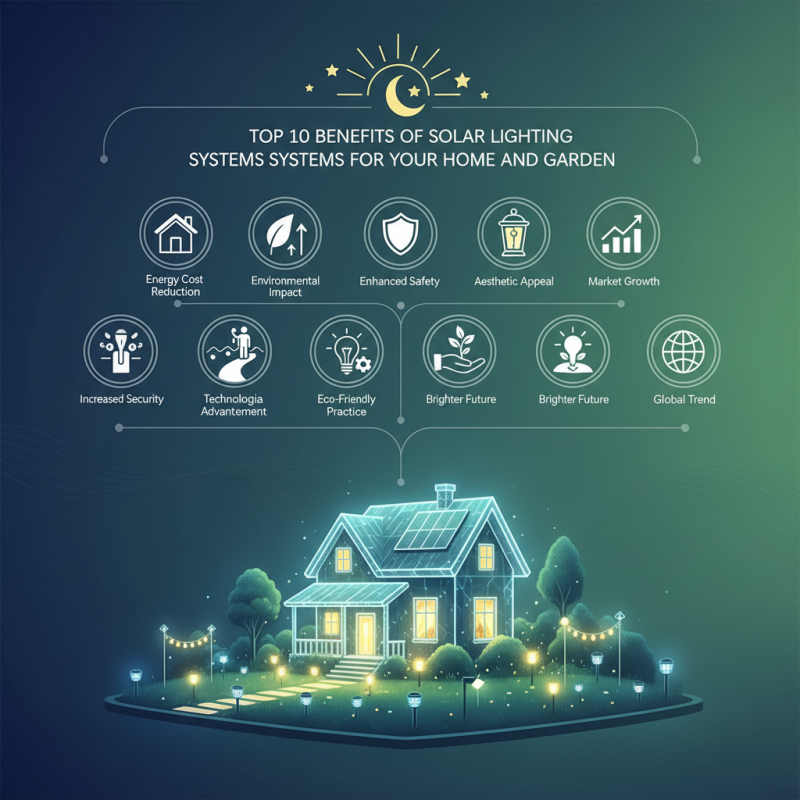
Additionally, the Global Solar Lighting Market is projected to reach USD 18.8 billion by 2025, reflecting a growing trend toward renewable energy sources in residential settings. Solar lighting systems contribute to enhancing safety and security in outdoor areas while also promoting aesthetic appeal through various design options. Furthermore, with advancements in solar technology, systems are becoming more efficient and user-friendly, making the switch to solar lighting an increasingly attractive choice for homeowners eager to embrace eco-friendly practices. In this article, we will explore the top ten benefits of integrating solar lighting systems into your home and garden, setting the stage for a brighter, greener future.
Advantages of Solar Lighting Systems for Residential Use
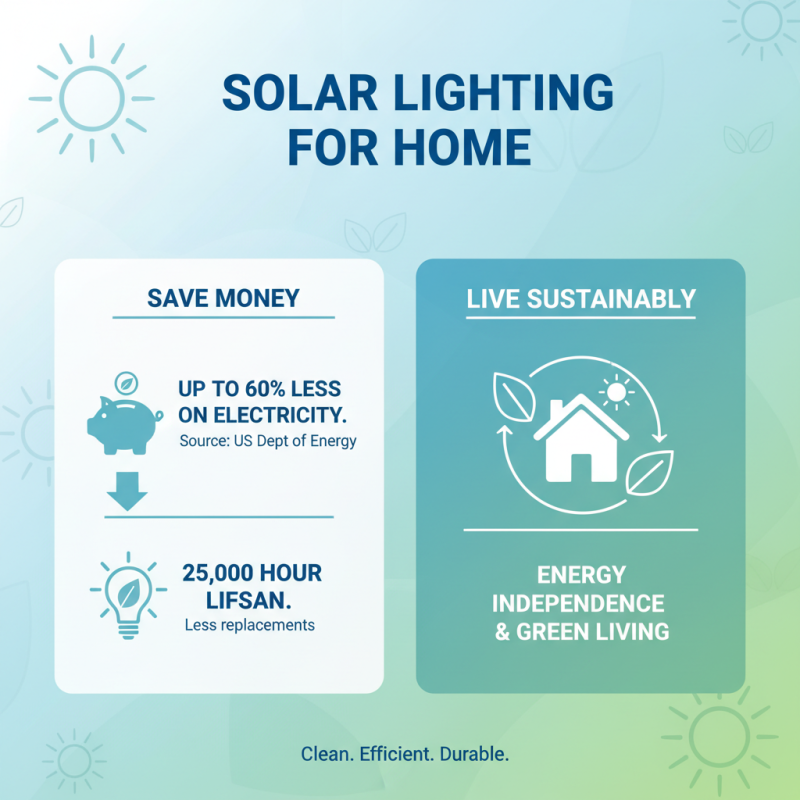
Solar lighting systems have gained immense popularity for residential use, and their advantages are backed by a range of professional studies. According to a report by the U.S. Department of Energy, homes equipped with solar lighting can reduce electricity costs by up to 60%. This remarkable efficiency not only contributes to lower utility bills but also enhances energy independence and sustainability. In addition, solar lights have a lifespan significantly longer than traditional lighting options, often lasting up to 25,000 hours, which minimizes replacement costs and waste.
Moreover, solar lighting contributes to increased safety and security around residences. A study from the National Institute of Standards and Technology found that well-lit areas deter criminal activity, making homes with solar lighting systems less susceptible to burglaries. The environmental benefits are equally compelling, with solar lights producing zero greenhouse gas emissions during operation, aligning with global efforts to combat climate change.
Tip: When selecting solar lights for your home, consider models with motion sensors to optimize energy use and enhance security. Additionally, ensuring that your solar lights are placed in areas that receive adequate sunlight will maximize their efficiency and longevity. Investing in quality solar lighting not only brightens your home and garden but also supports a greener planet.
Environmental Impact of Using Solar Lighting in Homes and Gardens
Solar lighting systems have gained significant popularity in residential settings due to their positive environmental impacts. According to a report by the International Energy Agency, transitioning to solar-powered solutions can reduce household carbon emissions by up to 80% annually, thereby contributing to a more sustainable future. These systems utilize renewable energy from the sun, significantly lowering reliance on fossil fuels, which in turn helps mitigate climate change and its associated risks.
Furthermore, solar lighting reduces energy consumption, leading to lower utility bills and a smaller ecological footprint. The National Renewable Energy Laboratory states that widespread adoption of solar technology could potentially save over 1 billion tons of carbon dioxide emissions in the United States alone. In garden and outdoor environments, solar lights not only illuminate spaces but also contribute to biodiversity by reducing light pollution, which can adversely affect night-time wildlife behaviors. By harnessing solar energy, homeowners can enhance their outdoor aesthetics while promoting a healthier ecosystem.
Cost-Effectiveness: Long-Term Savings with Solar Lighting
Solar lighting systems are gaining popularity not just for their environmental benefits but also for their impressive cost-effectiveness. According to the U.S. Department of Energy, homes that install solar lighting can save between 50% to 70% on energy costs compared to traditional lighting options. These savings stem from the fact that solar lights harness energy from the sun during the day, converting it into usable power at night, ultimately reducing reliance on grid electricity.
Additionally, the initial investment in solar lighting is often recouped within a few years due to minimal operational costs and low maintenance requirements. A report from the International Renewable Energy Agency (IRENA) highlights that solar-powered systems can have payback periods as short as three to four years, depending on local energy prices and sunlight availability. After this period, homeowners can enjoy years of free lighting, further enhancing the long-term savings associated with solar technology. With advancements in solar technology and decreasing installation costs, adopting solar lighting in homes and gardens has never been more economically favorable.
Cost-Effectiveness: Long-Term Savings with Solar Lighting
Aesthetic Enhancements: How Solar Lights Transform Outdoor Spaces
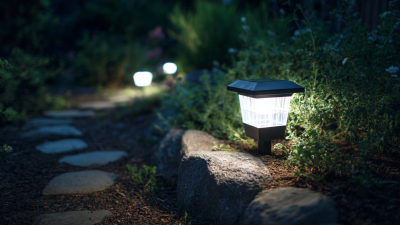
Solar lighting systems are not only practical but also serve as an excellent way to enhance the aesthetics of your home and garden. By illuminating pathways, garden features, and outdoor seating areas, solar lights can create a warm and inviting atmosphere. The soft glow of solar lights at night transforms outdoor spaces into beautiful, vibrant areas. They highlight architectural features of your home and create a focal point in gardens, making them ideal for evening gatherings or quiet nights outdoors.
When integrating solar lighting into your outdoor design, consider the placement and style of the lights to maximize their aesthetic impact. For pathways, opt for low-profile lights that subtly guide guests without overpowering the landscape. In garden areas, decorative solar lanterns or stake lights can draw attention to flower beds and landscaping elements, creating striking visuals after sunset.
Tips for enhancing your outdoor spaces with solar lighting include mixing and matching different styles of lights to add variety and interest. Think about using string lights for a cozy, intimate vibe over patios, while using spotlights to accentuate trees or ornamental features. Additionally, ensure that your solar lights are positioned to receive adequate sunlight during the day, which will enhance their brightness at night and ensure a magical ambiance.
Ease of Installation and Maintenance of Solar Lighting Systems
Solar lighting systems are increasingly favored for their ease of installation and maintenance, making them an ideal choice for both home and garden settings.
Unlike traditional electrical lighting, solar lights require minimal infrastructure.
According to the Solar Energy Industries Association (SEIA), the average installation time for solar lights is significantly decreased, often taking just a few hours.
Homeowners can typically set up these systems without professional assistance, relying on straightforward instructions and basic tools.
Maintenance is another area where solar lighting excels. A study by the National Renewable Energy Laboratory (NREL) indicates that solar lights can last up to 25 years, thanks to advances in solar panel and LED technology.
The only upkeep usually involves occasional cleaning of the solar panels to ensure optimal performance and checking battery efficiency.
This simplicity not only saves homeowners time but also reduces long-term costs associated with replacements and repairs.
Tips: To enhance the efficiency of your solar lighting, regularly check for any obstructions that may block sunlight from reaching the panels, such as overgrown plants or debris.
Additionally, consider placing lights in areas that receive ample direct sunlight throughout the day to maximize battery charge at night.
Lastly, if possible, choose adjustable designs that allow you to reposition lights based on seasonal changes in sunlight exposure.