2026 Top Electrical MCCB Types for Global Buyers
Global buyers comparing Electrical Mccb options need more than a familiar brand name. They need a breaker matched to the installation, fault level, and operating conditions. A molded case circuit breaker may use thermal-magnetic or electronic trip technology. Some models also offer adjustable protection, current-limiting performance, or configurations designed for specific AC or DC applications. These features are not interchangeable. A compact unit in a factory control panel, for example, may face different demands from a feeder breaker serving a commercial building.
This guide introduces the main MCCB types and the practical differences buyers should check. It looks at rated current, breaking capacity, pole count, trip settings, accessories, and mounting requirements. It also explains why the product datasheet matters. Voltage, frequency, environmental conditions, and coordination with upstream or downstream devices can affect suitability. Certification requirements vary by destination market, so buyers should confirm applicable standards and documentation with the manufacturer or a qualified local professional. Small details matter.
Experienced purchasers still encounter unclear specifications. A catalog may show similar ratings while concealing important differences in trip behavior or tested performance. That deserves a second look. No single MCCB type is best for every project, and a low purchase price cannot establish long-term value by itself. The sections ahead provide a structured starting point for comparing options, asking suppliers precise questions, and selecting equipment that fits the application rather than merely matching a headline rating.
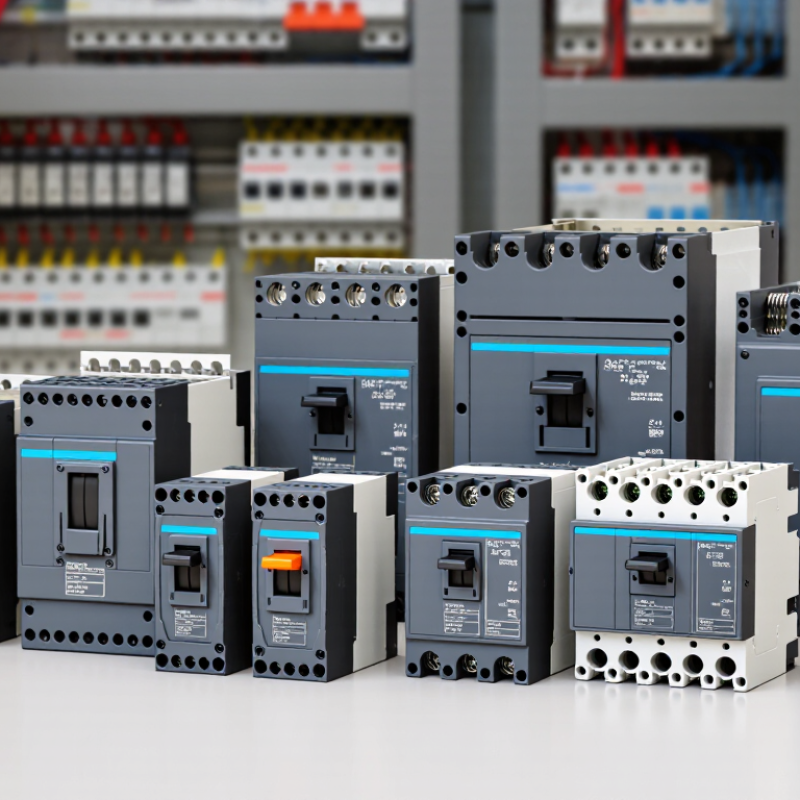
What Is an MCCB and How Does It Protect Electrical Circuits?
An MCCB, or molded-case circuit breaker, carries current through a protected electrical circuit and disconnects it when current becomes unsafe. Many models use thermal and magnetic trip mechanisms. During a sustained overload, heat inside the breaker triggers a trip. A short circuit creates a sudden surge, which can activate the magnetic mechanism much faster. The handle may move to a middle position after tripping. A firm click, then a darkened panel indicator, can signal that the circuit has opened.
Correct selection takes more than matching the breaker’s current rating to a cable. Installers also check the system voltage, number of poles, expected fault current, and coordination with upstream and downstream protection. Breaking capacity matters: it must be adequate for the fault current available at the installation point. Not every MCCB provides ground-fault protection, so other protective devices may be needed. After a trip, find and correct the cause before resetting the breaker. Repeated resets are not a diagnosis. Labels and calculations help, but site conditions can differ from the drawings, so qualified inspection remains important.
Which MCCB Types Are Defined by Their Operating Mechanisms?
MCCB operating mechanisms describe how contacts open and close, not how the breaker detects faults. That distinction matters. A thermal-magnetic or electronic trip unit detects overloads and short circuits; the mechanism then separates the contacts. In panel reviews, these terms are sometimes mixed up, leading buyers to compare unlike specifications.
A toggle-operated MCCB uses a front lever for manual switching. It suits many distribution boards where access is clear and operation is local. The handle shows ON, OFF, or TRIP status.
A rotary-handle version transfers motion through a shaft, often to a door-mounted handle. This keeps routine operation outside the enclosure, but shaft alignment and door fit need checking.
Motor-operated MCCBs add an electric operator for remote opening and closing. They can suit monitored panels, backup-power systems, or automated transfer arrangements. Check the control voltage, duty cycle, auxiliary contacts, and manual override before selection.
Small details matter. A motor operator does not replace correct protection settings or safe isolation procedures. Site wiring can be untidy, and datasheets may not capture every installation constraint. Confirm the operating mechanism and trip unit separately against the panel design.
How Do Thermal-Magnetic and Electronic Trip Units Differ?
An MCCB’s trip unit determines how it responds to overloads and short circuits. A thermal-magnetic unit uses a bimetal element for overload protection and a magnetic release for high fault currents. Under a sustained overload, heat bends the bimetal and eventually trips the breaker. During a short circuit, the magnetic release acts quickly. That combination is straightforward. However, the thermal response can be influenced by ambient temperature, so installation conditions matter.
An electronic trip unit uses sensors and electronic circuitry to assess current. Depending on its design, it may offer adjustable long-time, short-time, and instantaneous settings, plus trip indication or event records. These adjustments can help coordinate protection across a distribution system, but they require careful setup. More features do not automatically mean better protection. I would not choose a trip unit by price or feature list alone; that is an easy mistake. Compare the breaker’s time-current curves with the system’s load and fault levels. Check the specified ratings, installation environment, and applicable local requirements, and have a qualified professional verify the settings.
Which MCCB Configurations Suit Different Applications and Fault Levels?
2026 Top Electrical MCCB Types for Global Buyers
Which MCCB Configurations Suit Different Applications and Fault Levels?
A molded-case circuit breaker should match the load and the prospective short-circuit current at its installation point. IEC 60947-2 covers breaker performance, including rated current and short-circuit breaking capacity. Compare these values, not frame size alone. For smaller commercial panels, thermal-magnetic trip units often suit steady loads. Electronic trip units allow adjustable protection for larger feeders and selective coordination. Settings still need a protection study.
Electrical demand is changing. The IEA’s Electricity 2025 report states that global electricity demand grew 4.3% in 2024. That figure provides context, not a sizing rule. Motors, welders, and transformers can draw high starting currents, so an unsuitable trip curve may cause nuisance trips. Two-pole or three-pole MCCBs may suit many branch circuits; four-pole units are used where the design calls for neutral switching. Not a shortcut.
For fault levels, check the available fault current at the breaker terminals. Select Icu and Ics ratings to suit the system and required performance. NFPA’s Electrical Fires report estimated about 24,000 U.S. home structure fires annually involving electrical failure or malfunction during 2015–2019. MCCBs cannot prevent every electrical fire, but correct interruption capacity and coordination address some avoidable risks. Site conditions may differ from drawings; cable length, transformer impedance, and planned capacity changes deserve a second check before purchase.
How Should Global Buyers Compare Ratings, Standards, and Installation Needs?
2026 Top Electrical MCCB Types for Global Buyers
Global buyers should compare more than a breaker’s rated current. Check rated operational voltage, pole count, trip settings, and short-circuit breaking capacity at the intended voltage. Under IEC 60947-2, Icu and Ics describe different short-circuit performance levels; confirm both against the project’s fault-current study. IEC and UL 489 requirements are not interchangeable, so verify the specification accepted at the installation site. The IEA’s Electricity 2024 report projects average global electricity-demand growth of 3.4% annually from 2024 to 2026. That makes load forecasts worth checking, not guessing.
Installation details matter. Measure the panel’s usable width and depth, then confirm terminal orientation, cable bending space, conductor range, and tightening torque. Check ambient-temperature derating and enclosure conditions; a breaker rated for a cool test environment may need adjustment in a hot cabinet. Small details matter. A common oversight is selecting a high interrupting rating without confirming the system voltage and available fault current. Recheck the coordination study and manufacturer documentation before procurement.
Tips: Ask suppliers for the complete datasheet, applicable test standard, trip-curve data, and installation clearances. Compare like-for-like ratings at the same voltage and operating conditions. If site measurements or fault-current data are uncertain, flag that uncertainty for a qualified electrical engineer rather than treating a catalog value as the final answer.
