2026 Top LED Screen Innovations for Global Buyers?
The global LED Screen market is experiencing remarkable growth. According to a recent report by MarketsandMarkets, this market is expected to reach $75.8 billion by 2026, driven by innovative applications across various industries. LED screens are becoming essential for advertising, entertainment, and communication. Their ability to deliver vibrant visuals enhances audience engagement.
However, many buyers face challenges. The overwhelming number of products can lead to indecision. Buyers need to understand the key features of LED screens to make informed purchases. Factors like resolution, brightness, and energy efficiency are crucial. Industry experts emphasize the importance of long-term support and reliability. Investing in quality is essential, as lower-cost options may lead to disappointing performance.
Furthermore, sustainability is now a priority. Manufacturers are adopting eco-friendly practices. This shift impacts consumer choices and industry standards. As global buyers explore the latest innovations for 2026, the landscape of LED screens continues to evolve, promising exciting developments. Understanding these changes is vital for making the best purchasing decisions.
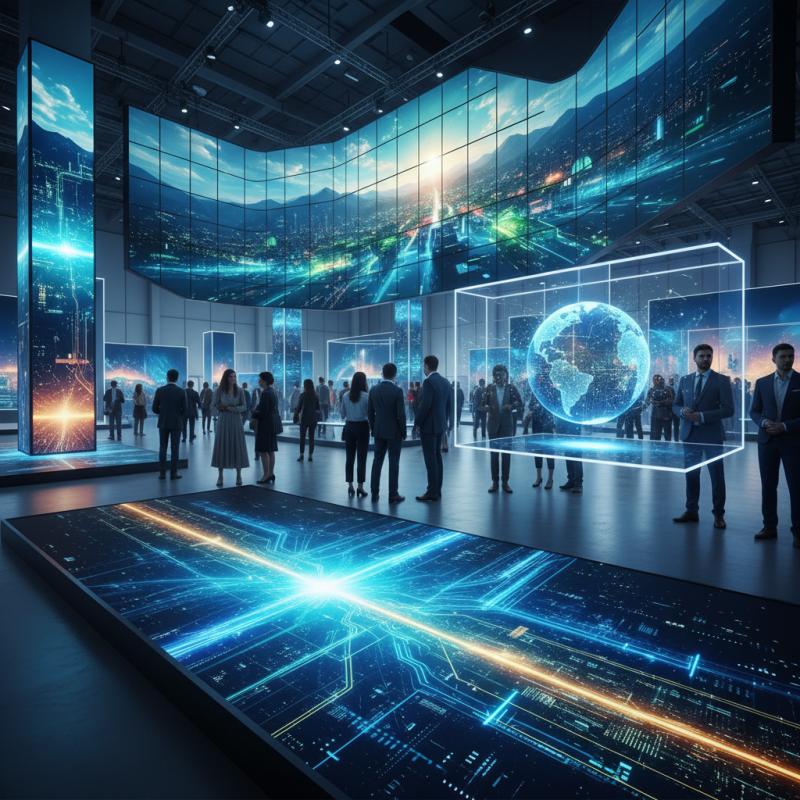
Overview of LED Screen Innovations Expected in 2026
As LED technology continues to evolve, 2026 promises exciting innovations in the field. Expect advancements in resolution and screen flexibility. Future LED screens are likely to become thinner and lighter, making them more versatile for various applications. Integration with augmented reality may enhance user experiences in unexpected ways.
Tips: Always consider your specific needs before investing in new technology. Research the latest trends to make informed decisions.
Sustainability is another critical focus. Expect innovations that prioritize energy efficiency and recyclable materials. Some LED screens will likely be designed for easy upgrades, extending their life cycle. However, continuously changing technologies can lead to challenges in compatibility.
Tips: Stay updated on industry standards to avoid potential issues. Engage with professionals who can guide you in your choices.
The chart above illustrates the expected innovations in LED screens for 2026, focusing on five key dimensions: Brightness, Resolution, Flexibility, Energy Efficiency, and Cost-Effectiveness. Each dimension indicates a level of innovation growth projected for that year, demonstrating major trends in the LED screen market.
Key Features Transforming LED Technology in 2026
In 2026, LED technology is witnessing transformative changes. One significant innovation is the rise of microLEDs. MicroLED displays offer enhanced brightness and efficiency. They consume less power and have longer lifespans compared to traditional LEDs. Buyers are increasingly drawn to these compact solutions for various applications.
Moreover, advancements in flexible LED screens are reshaping the market. These screens can bend and conform to different surfaces. This flexibility allows for creative advertising and unique architectural designs. However, challenges remain in terms of durability and production costs. Companies must find a balance between innovation and practical application.
Another noteworthy feature is the integration of AI into LED technology. AI algorithms optimize brightness and color settings in real time, improving user experience. Yet, the reliance on AI raises questions about system failures. If technology fails, it may disrupt operations or lead to visual errors. Buyers must consider these factors when investing in new LED solutions.
Leading Manufacturers and Their Contributions to LED Advancements
The LED screen industry is witnessing significant advancements, with various manufacturers leading the way in innovation. In 2026, research indicates that the global market for LED displays is expected to reach over $150 billion. Key players are heavily investing in R&D to enhance image quality and energy efficiency. Some manufacturers report energy reductions of up to 30% in their latest products.
Recent studies reveal that about 50% of global buyers prioritize resolution and brightness in their LED screens. This demand drives innovation in mini-LED technology, which offers superior contrast and colors. Moreover, manufacturers are collaborating with tech firms to integrate smart features into displays. This shift aligns with growing consumer preferences for connectivity and interactivity. However, the industry still faces challenges, such as supply chain issues and material shortages that can impact production timelines.
Additionally, sustainability is becoming a focal point. Reports highlight that 40% of manufacturers are exploring eco-friendly materials and processes. Though the commitment is strong, the transition can be slow. Many companies struggle to balance innovation with sustainable practices. As advancements continue, the industry must address these complexities to foster a more resilient future.
Applications of Next-Gen LED Screens in Various Industries
The next-generation LED screens are transforming various industries with unprecedented applications. In retail, these screens engage customers with vibrant displays. Imagine walking into a store where animated promotions capture your attention. Retailers are using LED technology to create immersive shopping experiences that can increase foot traffic and sales. However, the high brightness levels can sometimes be overwhelming, detracting from the ambiance.
In the event and entertainment sectors, LED screens are ensuring dynamic visual experiences. Concerts and festivals utilize large-scale displays to enhance performances. These screens can adapt to different lighting conditions, offering clarity even in sunlight. Yet, challenges remain in ensuring consistent quality across different venues, as environmental factors can impact performance.
Healthcare is another industry embracing LED innovations. Hospitals use LED screens for patient information and directions. Bright, clear displays can improve communication in busy environments. Nevertheless, reliance on technology raises concerns about accessibility for all patients. These examples illustrate the diverse applications of LED screens and the need for thoughtful integration in real-world scenarios.
Market Trends and Consumer Demands Shaping Future LED Designs
The LED screen market is evolving rapidly, driven by changing consumer demands and market trends. Buyers are increasingly looking for high-quality displays that offer bright images and energy efficiency. This shift in focus promotes innovative technologies in LED design, pushing manufacturers to develop products with enhanced features.
Flexibility in screen size and shape is now a priority for many consumers. Buyers want versatile options that fit various settings, from retail spaces to small home theaters. Additionally, the demand for sustainable materials is on the rise. Consumers are becoming more environmentally conscious, pressuring manufacturers to prioritize eco-friendly production processes.
As technology evolves, so do buyer expectations. High refresh rates, improved pixel density, and better viewing angles are crucial for consumers. Yet, not all innovations achieve the desired impact. Some products may prioritize flashy features over basic functionality. Striking a balance between innovation and reliability remains a challenge for designers. The future of LED screens depends heavily on addressing these consumer needs while ensuring quality and durability in every product.
