2026 Best Ground Rod Copper Buying Guide for Global Buyers?
When considering a reliable grounding solution, Ground Rod Copper emerges as a key component. These rods play a vital role in electrical safety. They help prevent electrical shocks and protect equipment from lightning strikes. Choosing the right quality of copper is essential to ensure effectiveness.
In 2026, global buyers are increasingly interested in Ground Rod Copper for various applications. The demand stems from the need to maintain safety standards in construction and electrical installations. High-quality copper rods can significantly enhance grounding performance. However, not all products meet the same standards. Buyers must research and understand what makes a ground rod effective.
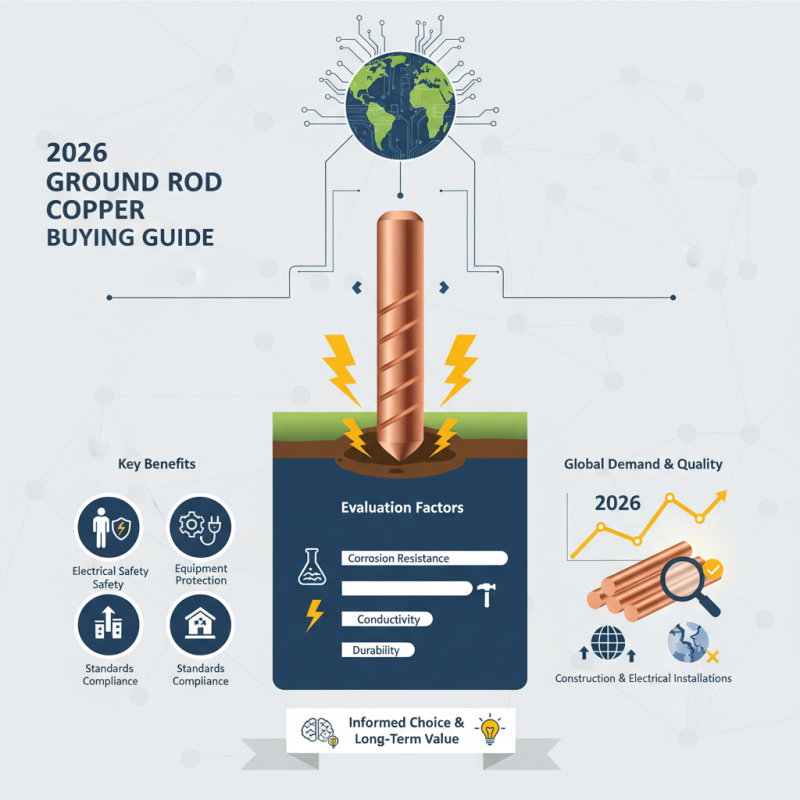
Although many options exist, some products may disappoint. It's crucial to approach purchasing with care. Factors like corrosion resistance, conductivity, and durability should be evaluated. Gathering information from reputable sources will aid in making informed choices. Reflection is needed on the long-term benefits of selecting the correct Ground Rod Copper for specific needs.
Understanding Ground Rod Materials: Why Copper is Preferred
When it comes to choosing ground rod materials, copper stands out for several compelling reasons. Its excellent conductivity makes it a top choice in the electrical industry. According to the International Electrotechnical Commission (IEC), copper has a conductivity of 59.6 x 10⁶ S/m, outperforming alternatives like galvanized steel. This property ensures minimal resistance and effective grounding, reducing the risk of electrical failures.
Furthermore, copper exhibits superior corrosion resistance compared to other materials. A study by the National Institute of Standards and Technology (NIST) reports that copper can last over 25 years in soil environments, while carbon steel may corrode within just 5 years. This longevity translates to lower maintenance costs and enhanced reliability in grounding systems.
Despite its advantages, not all installations use copper. Some projects opt for cheaper materials, which can result in higher long-term costs. Buyers should consider the implications of material choice carefully. Investing in copper may require a higher upfront expense, but it often proves to be more cost-effective over time. Understanding these material properties is crucial for global buyers aiming for durable and efficient grounding solutions.
Key Specifications to Consider When Choosing Copper Ground Rods
When choosing copper ground rods, understanding key specifications is crucial. Ground rods serve as vital components in electrical systems, ensuring safety by directing excess electricity safely into the earth. It's essential to consider factors like rod length, diameter, and conductivity. Typically, a rod should be at least eight feet long for effective grounding. Industry reports highlight that a diameter of 5/8 inch or more provides optimal performance.
Additionally, copper's resistance to corrosion makes it a superior choice. The National Electrical Code recommends using rods with a minimum resistance of 25 ohms for safety. Buyers should also look for compliance with standards, such as the ASTM B3 and ASTM B8 specifications. These standards guarantee quality and reliability, which are critical for effective grounding.
Tip: Always check the manufacturer's certification to ensure compliance with safety standards. The installation depth is equally important, as shallow installations can lead to inadequate grounding. Consider local soil conditions, as they can affect ground rod performance. Remember, not all copper is created equal; sourcing quality materials can prevent costly mistakes in the future.
Evaluating Global Suppliers: What to Look for in Copper Ground Rods
When evaluating global suppliers for copper ground rods, it’s essential to consider various factors. Quality of materials often sets reputable suppliers apart. Look for suppliers who provide detailed specifications about the copper used. The purity of copper impacts conductivity and longevity. Testing reports can add credibility and assurance to their product claims.
Certifications and standards compliance are also crucial. Suppliers adhering to international standards demonstrate commitment to quality. It’s important to note that not all certifications are equal. Research the requirements behind these certifications. Transparency in their processes can be a sign of reliability. Supplier reviews and customer feedback are invaluable. They can reveal insights into performance and service quality.
Pricing is another factor worth scrutinizing. Low prices can be tempting but often reflect lower quality. Investigate the reasoning behind pricing strategies. Some companies may cut corners to reduce costs. It also pays to ask about warranties and return policies. This can indicate how confident a supplier is in their products. Understanding these aspects will aid in making an informed decision.
Installation Guidelines for Copper Ground Rods: Best Practices
When installing copper ground rods, following best practices is essential for ensuring safety and reliability. According to industry reports, proper depth is crucial. Ideally, copper ground rods should be driven at least 8 feet deep, with the top portion exposed for easy access. This depth helps maintain low resistance, minimizing the risk of electrical faults. The National Electrical Code (NEC) suggests this practice for effective grounding.
Choosing the right location also matters. Avoid areas with heavy foot traffic or potential physical damage. Ground rods should be placed away from water pipes and other underground utilities. Regular inspections are necessary. Corrosion over time can affect performance, and industry studies suggest checking grounding systems every 5 years. Given the harsh elements, many rods may require replacement sooner than expected.
Installation techniques warrant attention too. Use a grounding clamp to secure connections effectively. This enhances performance and prevents loose connections that can lead to failures. It’s also essential to ensure that all grounding conductors adhere to standardized practices. While these guidelines are reliable, it’s important to remember that not all installations are foolproof. Improper installation can lead to system failures, prompting a need for reevaluation.
2026 Best Ground Rod Copper Buying Guide
Maintaining and Testing Ground Rods for Optimal Performance
Ground rods are essential for electrical safety. Regular maintenance ensures their effectiveness. Inspect ground rods periodically for signs of corrosion. A corroded rod can diminish its ability to safely dissipate electrical surges. Look for rust or physical damage that may affect grounding.
Testing ground rods is crucial for optimal performance. Use a ground resistance tester to check efficiency. A reading above 5 ohms may indicate a problem. Lower resistance values are better for safety. If resistance is high, consider relocating or replacing the rod. Testing should be done annually or after severe weather events.
It's easy to overlook ground rods until there's an issue. Many overlook the need for thorough maintenance. Today’s systems are complex, and grounding is often neglected. Proper attention can prevent costly repairs or dangerous situations. Investing time in maintaining ground rods enhances safety and reliability over time.
